Art And Technology: Exploring The Intersection Of Creativity And Innovation
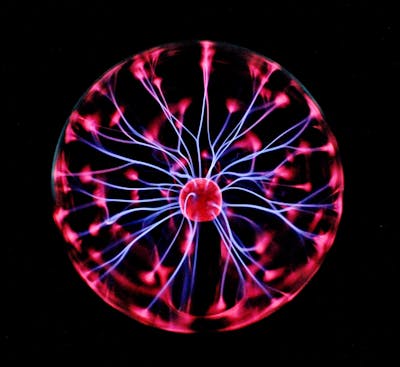
The intersection of art and technology is a dynamic and fascinating realm where creativity and innovation come together to create a new dimension of human expression. In recent years, this convergence has reshaped the way we perceive, create, and experience art. From virtual reality installations to AI-generated paintings, the boundaries of what is possible are continuously expanding, ushering in a new era of artistic exploration. This article delves into the profound and transformative relationship between art and technology, how it has evolved over time, and the myriad ways it is reshaping our cultural landscape.
Historical Context
The relationship between art and technology is not a new phenomenon. Throughout history, artists have always found ways to incorporate technological advancements into their creative processes. The Renaissance period, for instance, was marked by the use of innovative techniques and tools such as linear perspective and oil painting, enabling artists like Leonardo da Vinci and Michelangelo to push the boundaries of artistic expression.
The 20th century brought significant developments in technology, which had a profound impact on the art world. The emergence of photography and film challenged traditional notions of representation and storytelling. Artists like Pablo Picasso embraced new materials and techniques, giving rise to movements such as Cubism. The kinetic art of the 1950s and 60s explored the possibilities of moving sculpture and interactive art.
Contemporary trends
In the 21st century, the relationship between art and technology has deepened, and new trends have emerged. Some of the key developments include:
Digital Art
: Digital technology has revolutionized the way artists create and share their work. Digital art encompasses a wide range of media, from digital painting and 3D modeling to generative art created using algorithms. Artists can use software like Adobe Photoshop and Autodesk Maya to create intricate digital sculptures or even venture into the world of virtual reality art.Virtual Reality (VR) and Augmented Reality (AR)
: VR and AR technologies have opened up entirely new dimensions for artistic exploration. Artists can create immersive experiences that engage viewers on a profound level. VR art installations allow for interactive experiences that transcend the boundaries of physical space, while AR art can be superimposed onto the real world, enhancing our perception of reality.Artificial Intelligence (AI)
: AI has emerged as a powerful tool for artists. Machine learning algorithms can generate art, assist in the creative process, and even curate art exhibitions. AI-driven art, such as portraits created by neural networks or music composed by AI algorithms, blurs the line between human and machine creativity.3D Printing
: 3D printing technology has enabled artists to bring their digital creations into the physical world. Sculptors and designers can create intricate, three-dimensional artworks that were once impossible to realize using traditional methods. This technology has also democratized art production, making it more accessible to a wider audience.Bioart
: The intersection of art and technology extends beyond the digital realm. Bioart combines biology, genetics, and technology to create living artworks. Artists use living organisms, such as bacteria or genetically modified plants, as the medium for their creations. This field challenges our understanding of life, ethics, and art's boundaries.Challenges and Controversies
While the fusion of art and technology has led to groundbreaking developments, it has also raised challenges and controversies. Some of these include:
Authenticity and Authorship
: With the advent of AI-generated art, questions about authorship and authenticity have arisen. Who owns the rights to an artwork generated by a machine? Can AI truly be considered a creative artist, or is it merely a tool for human artists?Accessibility and Inclusivity
: The high cost of technology can create a digital divide in the art world, limiting access to those who can afford the latest tools and software. Artists and institutions must consider how to make digital art more inclusive and accessible to a broader audience.Ethical Concerns
: Bioart and certain technological art installations often raise ethical concerns related to the use of living organisms or the impact on the environment. Artists and scientists must navigate these complex ethical landscapes responsibly.Preservation and Conservation
: The digital nature of many contemporary artworks raises challenges related to their preservation and conservation. How can we ensure that digital art remains accessible and intact in the future, given the rapid evolution of technology?Art and technology have converged in exciting and transformative ways, giving birth to new forms of creative expression and innovation. The ongoing relationship between the two fields has led to remarkable developments in digital art, VR, AR, AI, 3D printing, and bioart, expanding the boundaries of human creativity. However, with these innovations come challenges related to authenticity, accessibility, ethics, and preservation that the art world must grapple with. As the intersection of art and technology continues to evolve, it promises to push the limits of what is possible in the realm of human expression, challenging our perceptions of art and our understanding of creativity. It is a journey into uncharted territory, where imagination and innovation dance together in a harmonious embrace, forging a path towards an exciting and dynamic future for art and technology.
A Dubais.blog First Publication.

Don J'osai
Don J'osai is a creative and talented blogger with a passion for sharing his thoughts and experiences with the world. He has always been interested in exploring his multicultural heritage. Growing up, he was exposed to a wide range of cultural influences, which has inspired him to write about issues related to diversity.
After completing his education and obtaining a bachelor's degree in science, J'osai started a career as a freelance writer amongst other things, and soon became a popular blogger, thanks to his unique voice and engaging writing style. He writes on a range of topics, including travel, food, lifestyle, and culture, and has a growing audience of followers who appreciate his perspective and insights.
Through his writing, J'osai aims to promote inclusivity and understanding, and to challenge stereotypes and biases. He believes that blogging is a powerful medium for creating positive change in the world, and he is committed to using his platform to inspire and educate others. When he's not writing, J'osai enjoys exploring new places, trying out new foods, and spending time with his family.