Heat-Related Health Precautions In Dubai's Climate: Navigating The Challenges Of Extreme Heat
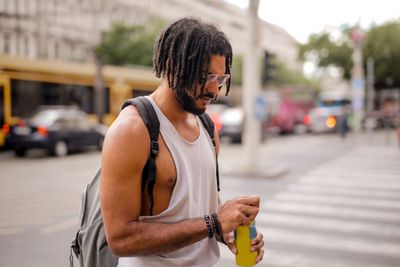
Dubai's climate is known for its intense heat, with soaring temperatures that can pose significant health risks to residents and visitors alike. As the city experiences scorching summers, it becomes imperative to adopt heat-related health precautions to safeguard well-being and prevent heat-related illnesses. This article explores the importance of understanding Dubai's climate, highlights the risks associated with extreme heat, and offers essential guidelines for staying safe during hot weather conditions.
- Dubai's Unique Climate:
Dubai's climate is characterized by high temperatures and arid conditions, resulting in prolonged periods of extreme heat, especially during the summer months. With temperatures often exceeding 40°C (104°F), the city's climate demands heightened awareness of heat-related health risks and the implementation of effective preventive measures.
- Health Risks of Extreme Heat:
Extreme heat poses various health risks, ranging from heat exhaustion and heat cramps to more severe conditions like heatstroke. Prolonged exposure to high temperatures can lead to dehydration, electrolyte imbalances, and an increased strain on the cardiovascular system. Vulnerable populations, including children, the elderly, and individuals with pre-existing health conditions, are particularly susceptible to heat-related illnesses.
- Essential Heat-Related Precautions:
a. Hydration: Staying well-hydrated is crucial. Drink plenty of water throughout the day, even if you don't feel thirsty. Avoid excessive caffeine and alcohol consumption, as they can contribute to dehydration.
b. Sun Protection: Protect yourself from the sun's intense rays by wearing wide-brimmed hats, sunglasses, and lightweight, light-colored clothing that covers your skin. Apply sunscreen with a high SPF to exposed areas.
c. Timing of Outdoor Activities: Limit outdoor activities during the hottest parts of the day, usually between 10 a.m. and 4 p.m. Opt for early morning or evening hours for exercise or outdoor tasks.
d. Cool and Shaded Spaces: Seek shaded areas or air-conditioned spaces to escape the heat. If you don't have access to air conditioning, consider visiting malls, community centers, or public spaces that provide relief from high temperatures.
e. Balanced Nutrition: Consume light, nutritious meals rich in fruits and vegetables. Avoid heavy, greasy foods that can make your body work harder to digest.
f. Monitoring Vulnerable Individuals: Keep a watchful eye on children, the elderly, and those with chronic medical conditions. Check in on them regularly and ensure they are following heat-related precautions.
g. Familiarity with Heat-Related Illnesses: Educate yourself about the signs and symptoms of heat-related illnesses such as heat exhaustion and heatstroke. Seek medical attention immediately if you or someone else experiences symptoms like dizziness, nausea, confusion, rapid pulse, or fainting.
Conclusion:
Navigating Dubai's extreme heat requires a proactive approach to health and well-being. By adopting heat-related health precautions, individuals can minimize the risks associated with high temperatures and enjoy a safe and comfortable experience in this vibrant city. Staying hydrated, protecting yourself from the sun, and being mindful of vulnerable individuals are essential steps to ensure a healthy and enjoyable stay in Dubai's unique climate. As the city continues to thrive, residents and visitors can thrive as well by prioritizing their health and safety in the face of extreme heat.
A Dubais.blog First Publication.

Don J'osai
Don J'osai is a creative and talented blogger with a passion for sharing his thoughts and experiences with the world. He has always been interested in exploring his multicultural heritage. Growing up, he was exposed to a wide range of cultural influences, which has inspired him to write about issues related to diversity.
After completing his education and obtaining a bachelor's degree in science, J'osai started a career as a freelance writer amongst other things, and soon became a popular blogger, thanks to his unique voice and engaging writing style. He writes on a range of topics, including travel, food, lifestyle, and culture, and has a growing audience of followers who appreciate his perspective and insights.
Through his writing, J'osai aims to promote inclusivity and understanding, and to challenge stereotypes and biases. He believes that blogging is a powerful medium for creating positive change in the world, and he is committed to using his platform to inspire and educate others. When he's not writing, J'osai enjoys exploring new places, trying out new foods, and spending time with his family.