Maintaining Quality Of Life For Older Adults
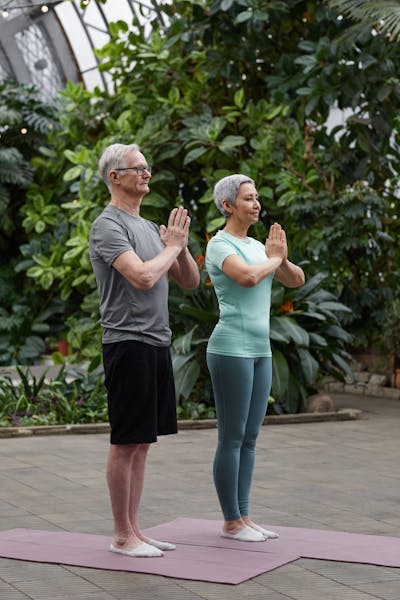
As our population ages, the well-being and quality of life for older adults have become paramount concerns. Aging is a natural part of life, and ensuring that older adults can maintain their quality of life is essential for promoting their overall health and happiness. This article explores the various factors that contribute to a high quality of life for older adults and offers practical strategies to support their well-being as they age gracefully.
- Physical Health and wellness:
Maintaining physical health is a fundamental aspect of enhancing the quality of life for older adults. Regular exercise, balanced nutrition, and proper medical care are crucial in preventing and managing age-related health conditions. Encouraging older adults to engage in physical activities suitable for their abilities can improve strength, flexibility, and overall well-being. Consulting healthcare professionals for regular check-ups and preventive measures can ensure timely intervention and support.
- Emotional and Mental Well-Being:
Emotional and mental health are vital components of maintaining a high quality of life for older adults. Encouraging open communication and providing opportunities for social interaction can combat feelings of isolation and loneliness. Engaging in mentally stimulating activities, such as puzzles, reading, or learning new skills, can help keep the mind sharp and active. Addressing emotional challenges and providing emotional support through counseling or support groups can also contribute to enhanced emotional well-being.
- Independent Living and Mobility:
Preserving independence is essential for promoting a high quality of life among older adults. Ensuring accessible living spaces, modifying homes to accommodate mobility challenges, and providing assistive devices can enable older adults to maintain their autonomy and confidence. When possible, encouraging older adults to engage in activities that promote mobility and independence, such as walking or light exercise, can foster a sense of self-reliance.
- Social Engagement and Connection:
Staying socially engaged is crucial for older adults to thrive in their later years. Participating in community events, clubs, or volunteering opportunities can offer a sense of purpose and fulfillment. Regular interaction with family and friends can provide a strong support network and reduce feelings of loneliness. Emphasizing the importance of building and maintaining social connections can significantly impact the overall well-being of older adults.
- Holistic Approach to Health:
Taking a holistic approach to health involves addressing not only the physical and mental aspects of aging but also the spiritual and emotional dimensions. Encouraging older adults to explore spirituality, engage in mindfulness practices, or connect with nature can contribute to a sense of fulfillment and contentment. Acknowledging the individuality of older adults and understanding their unique needs and preferences are essential in providing holistic support.
- Financial Security and Planning:
Ensuring financial security is a critical aspect of maintaining quality of life for older adults. Planning for retirement, budgeting wisely, and seeking financial advice can help older adults feel secure and confident about their future. Addressing financial concerns and assisting with financial planning can alleviate stress and promote peace of mind.
Conclusion:
Maintaining the quality of life for older adults is a multifaceted endeavor that requires attention to physical, emotional, and social well-being. By fostering a supportive environment that encourages physical activity, emotional expression, social engagement, and holistic health practices, we can empower older adults to lead fulfilling lives as they age gracefully. Implementing these strategies and considerations can enhance the well-being and happiness of older adults, reaffirming their value and contributions to society as they navigate the golden years of life.
A Dubais.blog First Publication.

Don J'osai
Don J'osai is a creative and talented blogger with a passion for sharing his thoughts and experiences with the world. He has always been interested in exploring his multicultural heritage. Growing up, he was exposed to a wide range of cultural influences, which has inspired him to write about issues related to diversity.
After completing his education and obtaining a bachelor's degree in science, J'osai started a career as a freelance writer amongst other things, and soon became a popular blogger, thanks to his unique voice and engaging writing style. He writes on a range of topics, including travel, food, lifestyle, and culture, and has a growing audience of followers who appreciate his perspective and insights.
Through his writing, J'osai aims to promote inclusivity and understanding, and to challenge stereotypes and biases. He believes that blogging is a powerful medium for creating positive change in the world, and he is committed to using his platform to inspire and educate others. When he's not writing, J'osai enjoys exploring new places, trying out new foods, and spending time with his family.